What to Know Before Replacing Your Roof in Michigan | ACS Roofing
A New Roof From the Inside Out: What Michigan Homeowners Should Know Before Replacing Their Roof
Replacing a roof is one of the larger home improvement projects most homeowners will undertake.
Naturally, there are plenty of questions.
Does the entire roof need replacement? What happens when the old shingles come off? What if damaged wood is discovered underneath? Does attic ventilation matter? How should you choose new roofing materials?
A recent ACS Roofing project provides a useful look at why a roof replacement should be viewed as an entire process rather than simply the installation of new shingles.
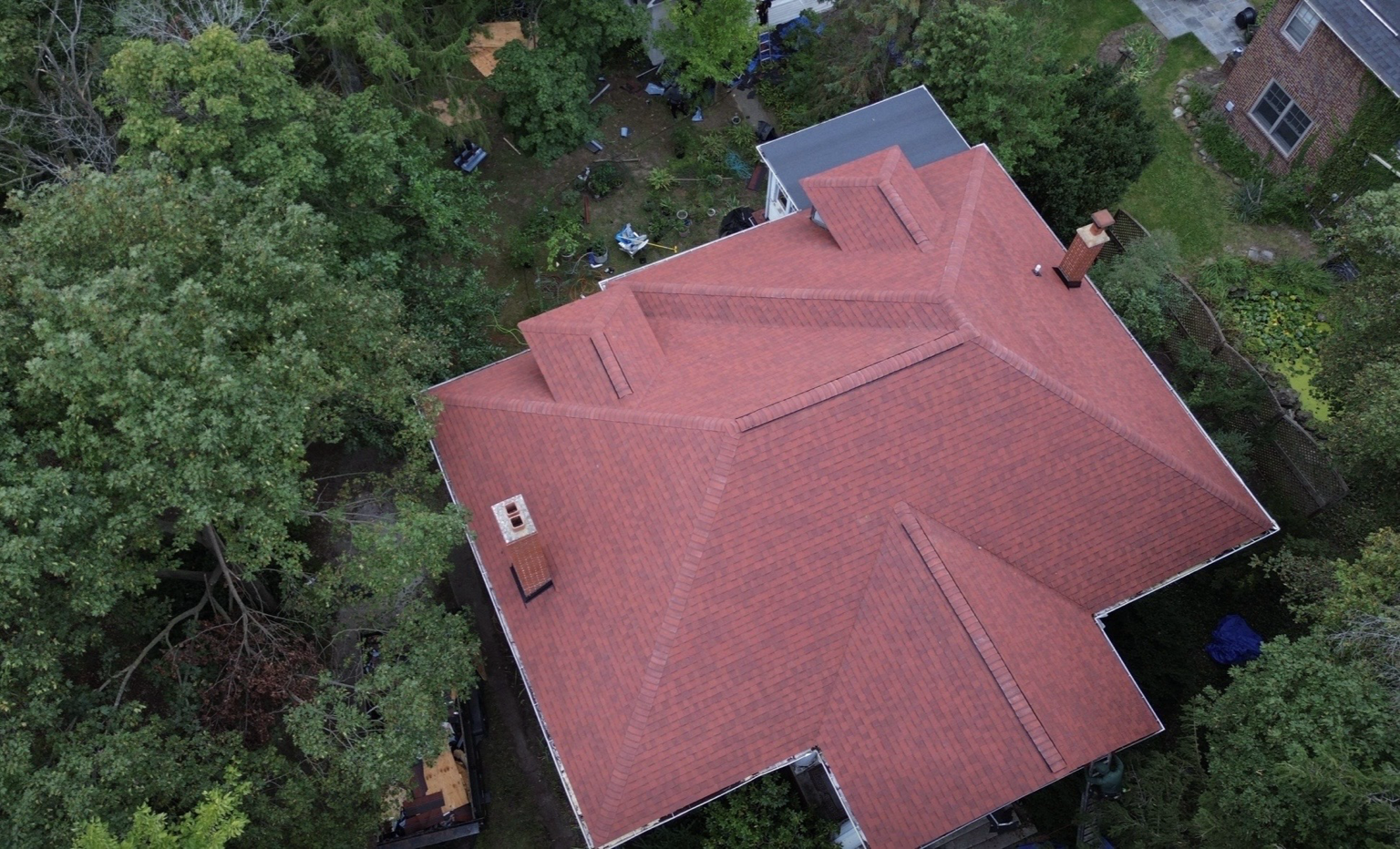
The finished result looks clean and complete, but photographs taken during the project reveal something equally important: what’s happening underneath the roof.
Step One: Understanding the Condition of the Existing Roof
Before deciding what a home needs, the existing roofing system should be evaluated.
Not every roofing concern requires complete replacement.
An isolated issue on an otherwise healthy roofing system may sometimes be repairable. On the other hand, widespread deterioration, repeated problems, or an aging system may make replacement a more practical long-term decision.
The important part is understanding the difference.
Homeowners should be given enough information to understand why repair or replacement is being recommended.
Removing the Existing Roofing Materials Reveals More of the Story
From the ground, a contractor can identify many visible roofing concerns.
However, portions of the roofing system remain hidden until existing materials are removed.
During replacement, removing the old roofing materials exposes the underlying roof deck.
That creates an opportunity to evaluate areas that have been covered for years.
If deterioration or other concerns are discovered, they can be addressed before the new roofing system is completed.
The photos from this ACS Roofing project show exactly why this stage matters.
A New Roof Needs a Solid Foundation
Think about roof decking as the foundation for the roofing materials installed above it.
Underlayment and shingles need an appropriate surface beneath them.
If sections of decking aren’t in suitable condition, simply installing new materials over those areas doesn’t address the underlying concern.
Necessary preparation and repairs should happen first.
Once the underlying surface is properly prepared, installation of the new roofing system can continue.
It’s work homeowners may never see again once the project is finished, but it can be an important part of the job.
Understanding Roof Ventilation
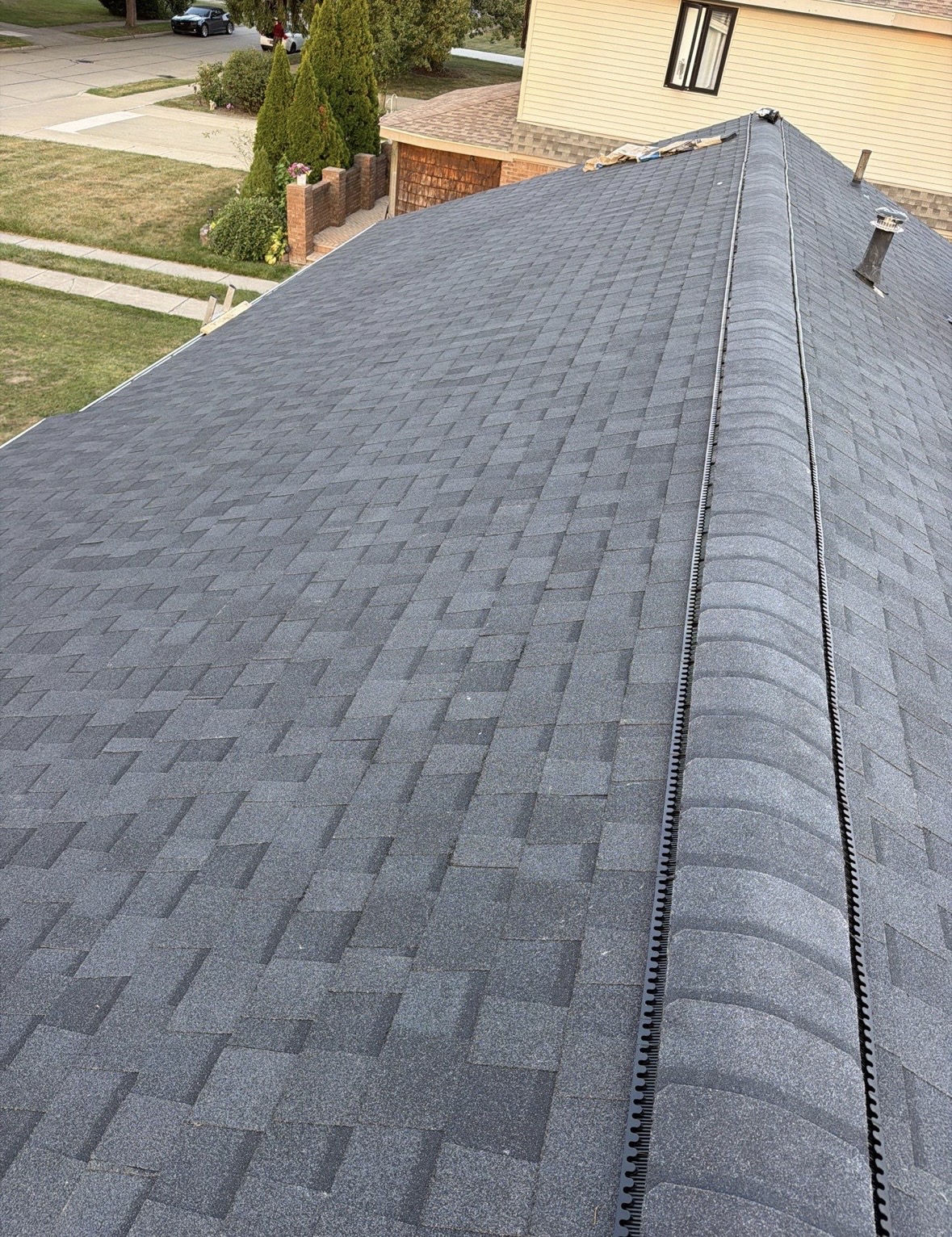
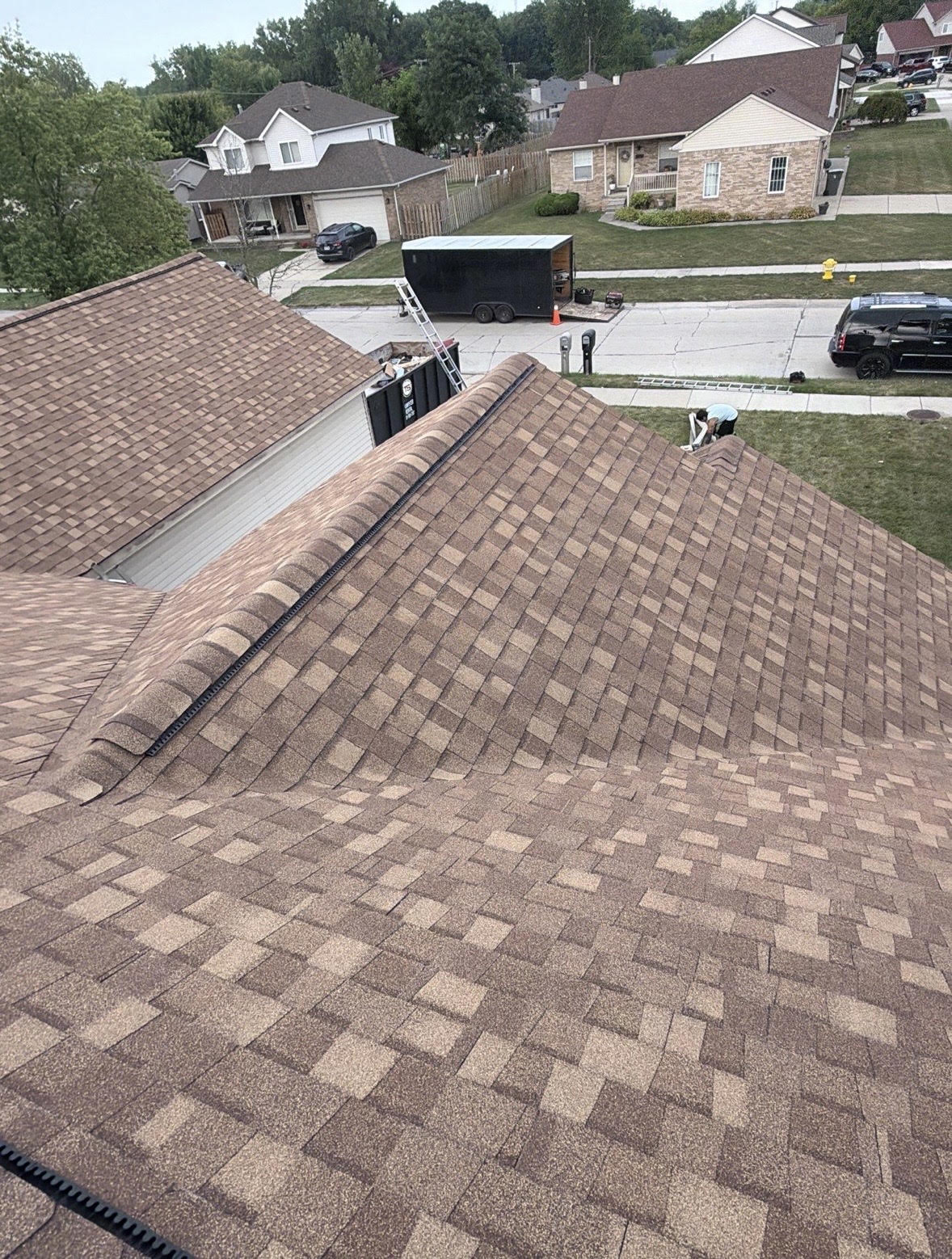
Another feature visible in this project is the ridge ventilation installed along the finished roof.
Ventilation is easy to overlook because it doesn’t provide the dramatic visual transformation of new shingles.
Its purpose is functional.
A properly designed attic ventilation system helps manage heat and moisture conditions inside the attic.
Ideally, air enters through intake ventilation lower on the roof and exits through exhaust ventilation higher on the roofing system.
Ridge vents can serve as part of that exhaust system.
Why Ventilation Matters in Michigan
Michigan homes experience significant seasonal temperature changes.
During summer, roof surfaces and attic spaces can become extremely warm.
During winter, the relationship between warm interior air, cold exterior temperatures, snow, ice, and moisture becomes important.
Proper attic insulation and ventilation are different systems, but they work together as part of managing conditions beneath the roof.
That’s why ventilation deserves consideration during a roofing project rather than being automatically duplicated without evaluation.
The Finished Roof Is Only Part of the Result
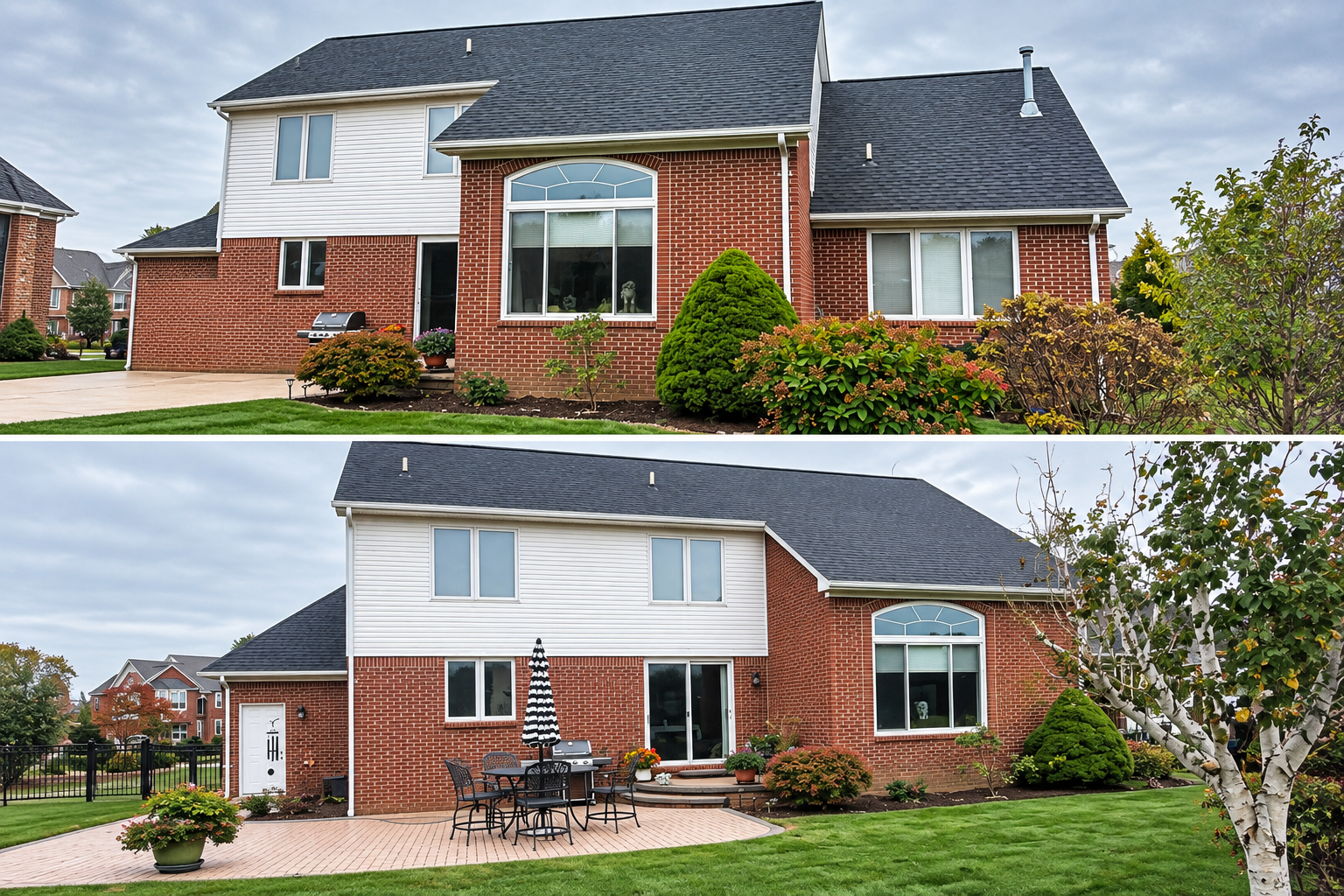
The completed portions of this ACS Roofing project show a uniform architectural-shingle appearance with clean ridge lines.
That’s the part neighbors and homeowners see.
But a successful roof replacement also depends on installation details that may eventually disappear from view.
Underlayment is covered.
Decking is covered.
Many flashing components become difficult to see.
Ventilation becomes part of the finished roofline.
The quality of those hidden components is one reason choosing a roofing contractor shouldn’t be based entirely on who provides the lowest number on an estimate.
Choosing the Right Roofing Materials
Homeowners also have decisions to make about the finished roofing system.
Shingle color is certainly one of them, but it isn’t the only consideration.
Depending on the roofing products being considered, homeowners may have choices involving style, performance characteristics, warranty options, and overall appearance.
A roofing contractor should be able to explain those choices in understandable terms.
You shouldn’t need to become a roofing expert before replacing your roof.
You should, however, understand what is being installed on your home.
A New Roof Can Completely Refresh a Home
Roof replacement provides an obvious practical benefit: renewed protection.
But the aesthetic improvement shouldn’t be overlooked.
The roof often represents a substantial portion of a home’s visible exterior.
Replacing faded or deteriorated shingles can make the entire property look cleaner and more updated.
The right roofing color can complement brick, siding, stone, trim, windows, gutters, and other exterior features.
That means homeowners can consider curb appeal alongside performance when selecting the finished roofing system.
What Should Michigan Homeowners Ask Before a Roof Replacement?
Before hiring a roofing contractor, homeowners should understand what the proposed project includes.
Ask how the existing roofing system will be evaluated, what happens if deteriorated decking is discovered, how ventilation will be addressed, what roofing products are being proposed, and what warranty coverage applies.
You should also understand how unexpected conditions discovered after tear-off will be communicated.
Clear communication before work begins can prevent confusion once the project is underway.
Don’t Wait for Water to Come Through the Ceiling
One of the biggest misconceptions about roofing is that a roof only needs attention when it starts leaking.
Visible interior water is certainly a reason to act, but it isn’t the only warning sign.
Missing shingles, curling or cracking materials, visible deterioration, excessive granule loss, repeated repairs, damaged flashing, or an aging roofing system can all justify an evaluation.
Finding a concern earlier may provide more options than waiting until significant water intrusion occurs.
Protect Your Home With a Complete Roofing Approach
A roof replacement shouldn’t be thought of as simply removing old shingles and installing new ones.
It’s an opportunity to evaluate the roofing system from the underlying surface outward.
Decking, ventilation, flashing, underlayment, shingles, ridge components, and installation details all contribute to the finished result.
The completed roof may be what everyone sees, but the work underneath is part of what helps that roof perform.
ACS Roofing provides professional roofing services for homeowners throughout its Michigan service area, with roofing solutions based on the needs of the individual property.
If you’re considering roof replacement or aren’t sure about the condition of your current roofing system, contact ACS Roofing today to schedule a professional roofing consultation. Our team can evaluate your roof, explain the available options, and help you determine the right next step for protecting your home.