If you are asking how long a roof last, a solid rule of thumb is 20 to 30 years for many homes. Some roofs fail closer to 15 years, while others hold up 40 to 70 years or more, mostly based on the material, the install quality, and how well water and heat are managed.
In Clinton Township, MI, we at ACS Roofing Inc. see roof life rise or fall fast because of freeze and thaw, heavy snow, spring rain, and hot summer sun. Those swings can speed up wear if your attic stays damp, your gutters clog, or small damage gets ignored. This guide breaks down lifespan by material, what shortens it, the signs to watch for, and what to do next.
Average Roof Lifespan By Roofing Material
Your roof’s material sets the baseline, but weather, ventilation, and upkeep decide how close you get to that “average.” So exactly how long does a roof last? Use these ranges as a simple guide, then look at your roof’s real-world condition.
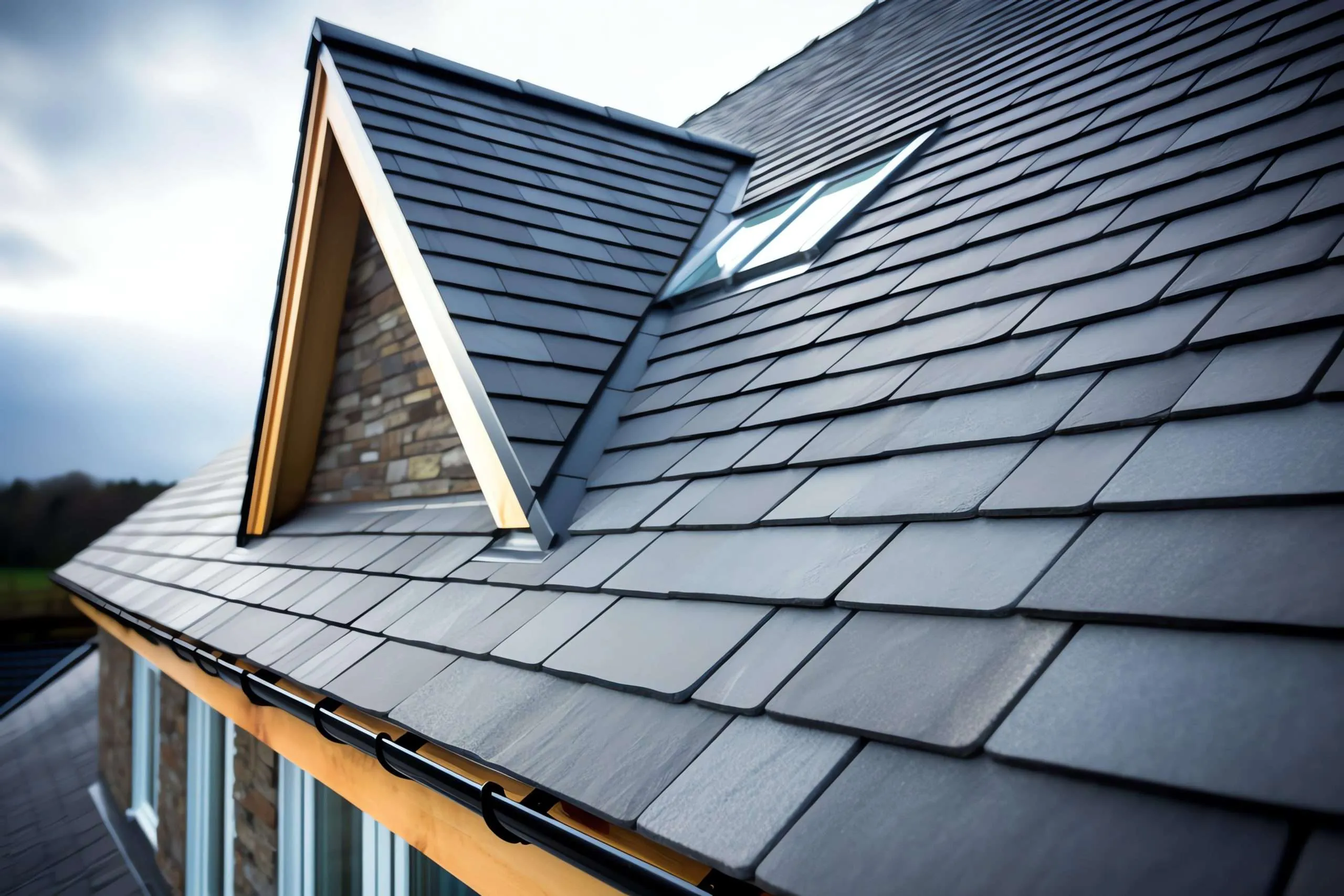
- Asphalt Shingles: Often 15 to 30 years. The biggest life-killers are trapped attic heat, poor flashing, and storm damage that never gets fixed. Shingles last longer when the attic stays dry and cool, and when loose shingles get replaced before wind tears more off.
- Metal Roofing: Often 40 to 70 years. Pay attention to rust-prone edges, scratched panels, and loose fasteners. Metal can last a long time when seams stay tight, coatings stay intact, and water does not sit around screw lines or valleys.
- Tile Roofing (Clay Or Concrete): Often 50 to 100 years. Tile itself can last decades, but the layer under it may need work sooner. Tile also needs strong support, and cracked pieces should be swapped out quickly after a storm or a branch impact.
- Wood Shakes Or Wood Shingles: Often 20 to 40 years. These roofs do best when they dry out fast after rain. Shade, moss, and trapped moisture can cut life short, so trimming trees and keeping the roof clean matters a lot here.
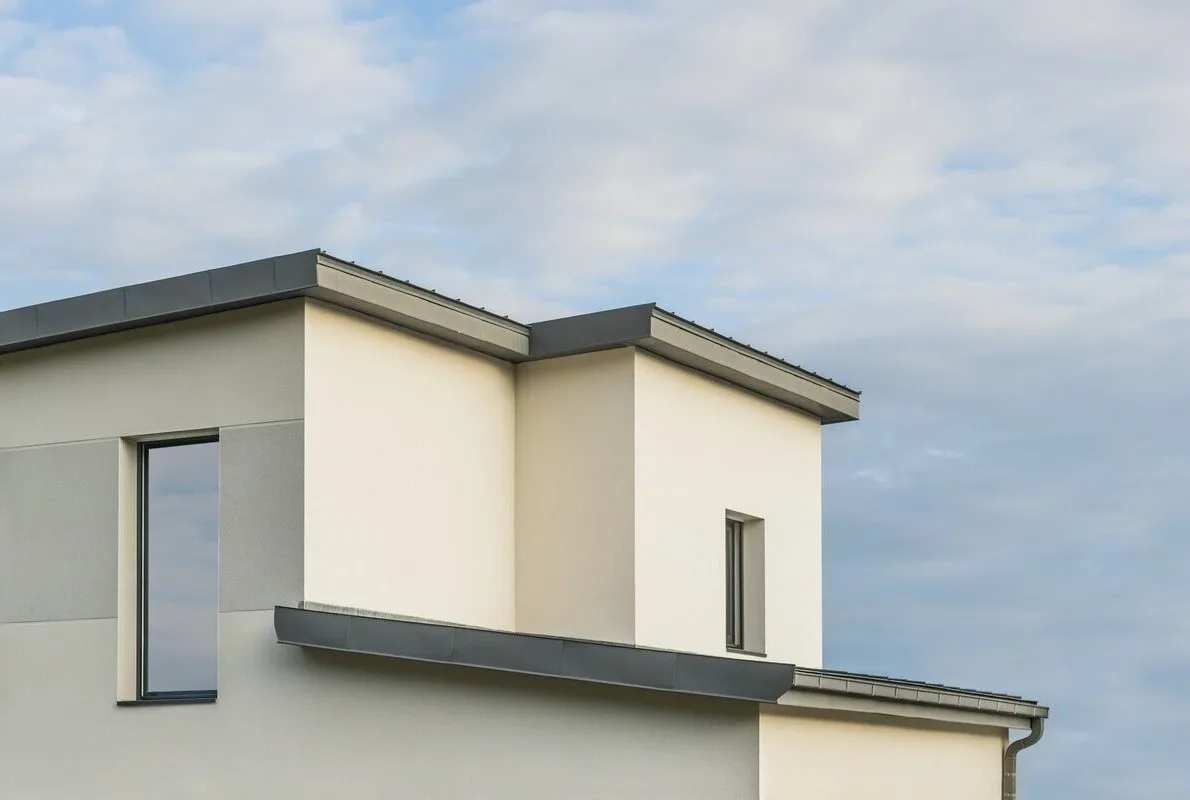
- Flat roofs (Rubber, TPO, PVC, Modified Bitumen): Often 15 to 30 years. Flat roofs often fail early from standing water, weak seams, and poor drainage. They last longer when drains stay clear, seams get checked often, and small punctures get patched before water spreads under the surface.
What Impacts Roof Lifespan Most
Two roofs can use the same material and still age very differently. From what we see during roof checks at ACS Roofing Inc., the biggest differences usually come down to airflow, drainage, and the small details around edges and roof openings.
- Installation Quality: A roof can look fine from the street and still hide weak spots. Bad nailing, rushed flashing, and sloppy valley work can lead to leaks and wind damage much earlier than you expect. A careful install also includes solid starter strips, clean ridge work, and proper sealing around vents and pipes.
- Ventilation And Moisture Control: A roof lasts longer when your attic breathes. In summer, trapped heat cooks roofing from below. In winter, warm air meeting cold roof surfaces can lead to condensation, mold, and ice issues near the edge. Balanced intake and exhaust vents help your roof stay stable year-round.
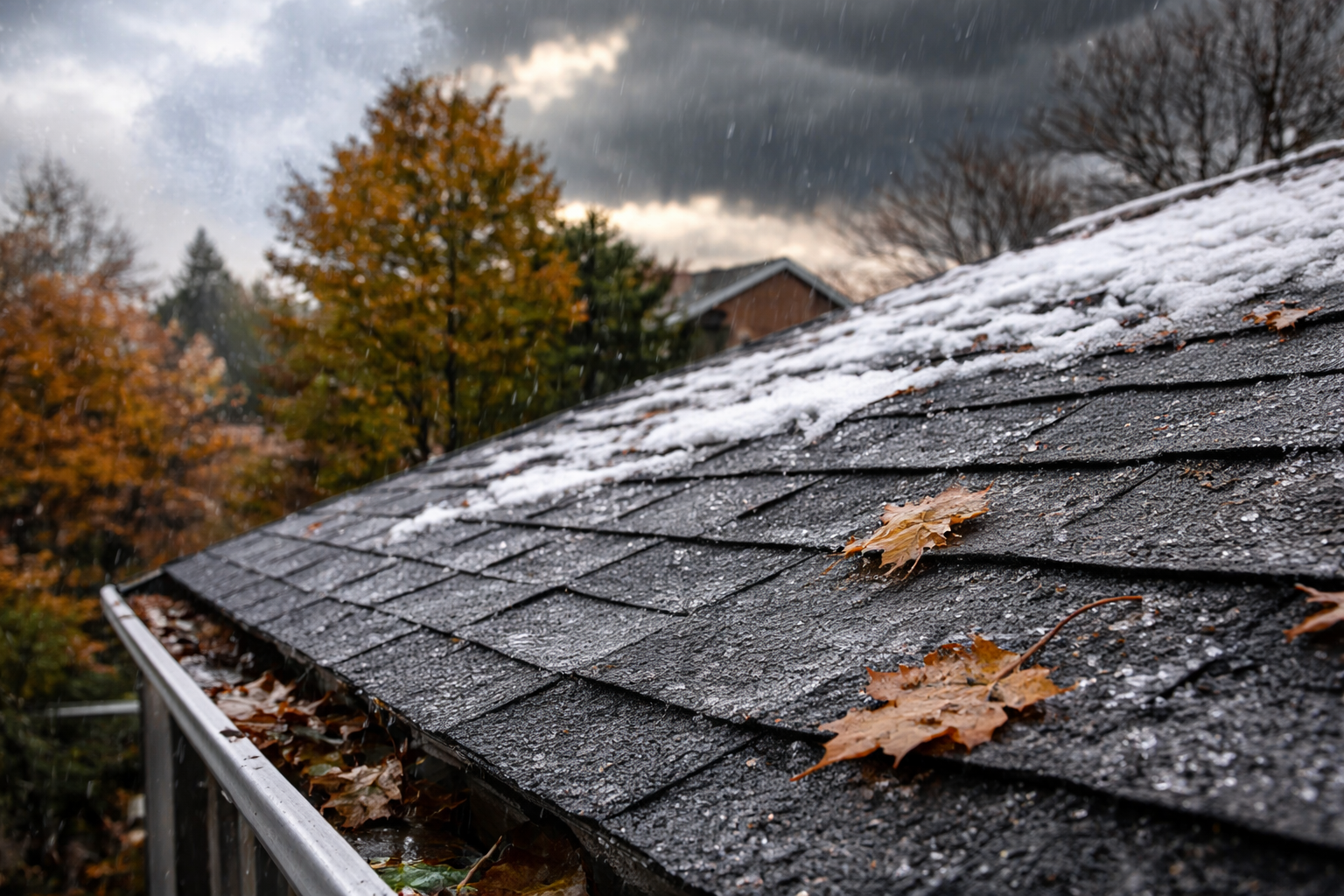
- Water Flow And Gutters: Water is either your roof’s biggest threat or a non-issue. If gutters overflow, water can soak the roof edge and rot the wood below. If valleys clog with leaves, water can push under shingles. Clean gutters and downspouts, plus good valley flow, protect the roof more than most people realize.
- Storms And Physical Damage: Wind, hail, falling limbs, and heavy snow loads can all shorten roof life. After a rough storm, one missing shingle or a bent flashing piece can turn into a leak weeks later. A quick check after major weather helps you catch problems early.
- Maintenance Timing: Small repairs done soon often prevent big repairs later. A lifted shingle, a cracked pipe boot, or a loose flashing corner might be a simple fix today. Leave it alone and water can reach the wood deck, insulation, and ceiling, and the cost jumps fast.
Warning Signs Your Roof Is Reaching The End Of Its Lifespan
Our recent service notes at ACS Roofing Inc. show the same pattern again and again. Big problems usually start with small signs you can spot, especially after a storm or during seasonal changes in southeast Michigan.
Curling, Cracking, Or Missing Shingles
- Repair: A few shingles missing after a wind event, with the rest still flexible and in good shape.
- Replace Soon: Widespread curling and cracking, or repeated blow-offs across multiple areas.
Granules In Gutters Or “Bald” Shingle Spots
- Inspect: Some granules are normal, but heavy grit in gutters can mean the surface is wearing out fast.
- Replace Soon: Large shiny patches where shingles look worn down across the roof.
Ceiling Stains, Peeling Paint, Or Attic Dampness
- Inspect: Any new stain, musty smell, or damp insulation, even if it looks small.
- Replace Soon: More than one leak area, or leaks that return after repairs.
Soft Spots, Sagging, Or Uneven Roof Lines
- Inspect: Any spongy feel underfoot or visible dip near valleys and edges.
- Replace Soon: Sagging that suggests weak decking or long-term water damage.
Flashing Problems Around Chimneys, Vents, And Edges
- Repair: A single loose flashing corner, a worn seal, or a small gap that can be resealed right.
- Replace Soon: Rusted flashing in many places, repeated chimney leaks, or edge rot tied to gutter overflow.
How To Extend Your Roof’s Life
The best approach is simple and steady. Clear leaves from valleys and gutters in fall, and check downspouts during heavy rain to make sure water is moving away from the home. After big wind or hail, do a safe ground check for missing shingles, lifted edges, and debris piles that hold moisture. If you see a problem, deal with it early instead of waiting for the next storm.
Most people tell us they only think about the roof when something drips, but a quick yearly check can prevent that moment. Keep attic vents open, make sure bathroom fans vent outside, and watch for ice buildup near the roof edge in winter. If ice dams show up often, better insulation and airflow can reduce the melt and refreeze cycle that damages edges and gutters.
Repair Vs Replace
Repair makes sense when damage is small and the roof is still in its healthy years. A few wind-lifted shingles, a minor flashing leak, or a small flat-roof seam issue can often be fixed without starting over. In these cases, a focused repair can buy real time, especially if the rest of the roof still looks strong and even.
Replacement makes sense when problems are spread out, keep coming back, or when repairs start piling up. If your roof is near the end of its expected range, repeated repairs can become a money trap because each fix only patches one weak spot while others keep aging. Timing a replacement can also let you upgrade ventilation, drainage, and edge protection so the next roof performs better.
Your Next Step: Plan Your Roof Lifespan Checkup
Before you call a roofer, gather a few basics so you get a clearer answer fast. Write down the roof’s age if you know it, plus any past repairs and the dates leaks happened. Take a few photos from the ground on all sides, plus close shots of visible wear, missing shingles, or sagging lines. If you can safely look in the attic, note any damp insulation, water stains on wood, or blocked vents.
Request Your Estimate
If you want a clear plan, we at ACS Roofing Inc. can inspect your roof, then explain what is repairable and what needs a replacement timeline. Call +1 586-325-4001 or email david@acsroofers.com and ask about $500 off expert roof replacement plus financing options like 0% APR for 12 months. You will get professional workmanship, premium materials, and a safety-first, efficient process that keeps the job honest and on track.