
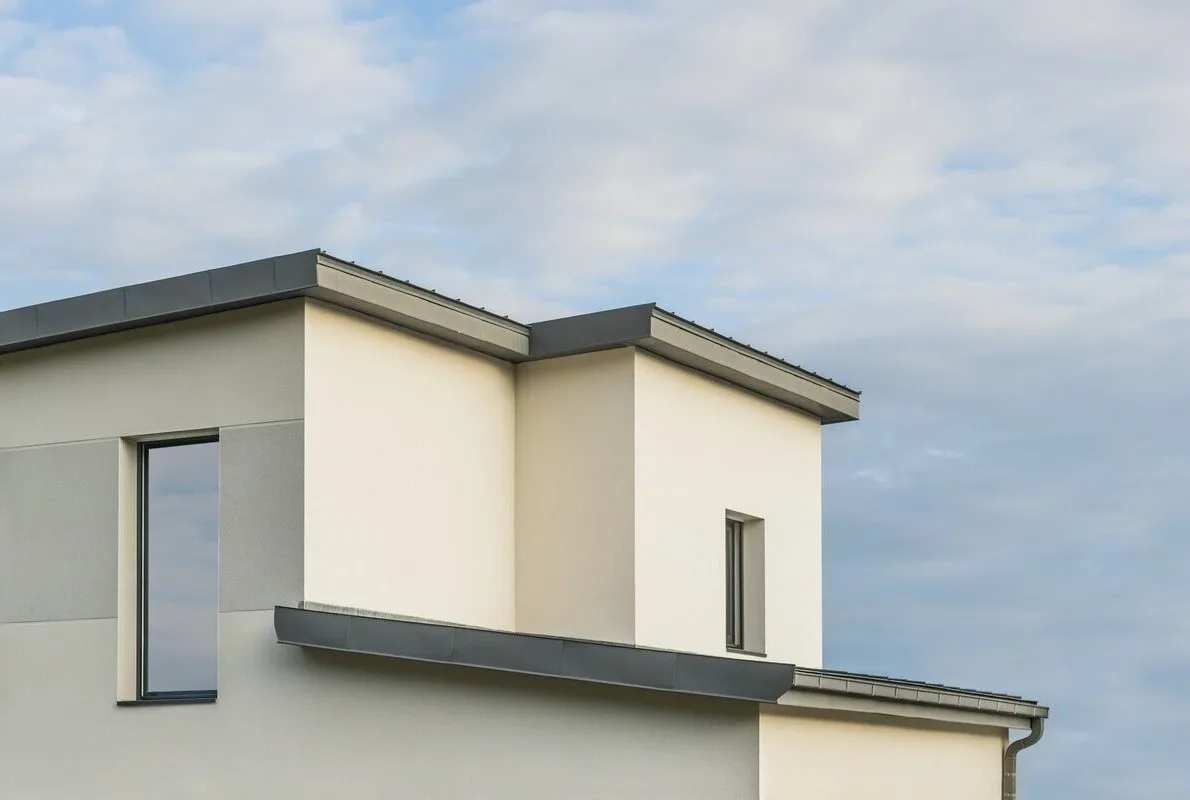
A drip that looks small can still spread fast. On a low-slope surface, water can move under the top layer, so the spot you see inside is not always the entry point. In Clinton Township, MI and nearby areas, snow melt, spring storms, and freeze and thaw cycles can open gaps quickly, requiring the need for a flat roof repair. Acting early helps you limit water damage and keeps disruption down.
Why A “Small Leak” Isn’t Small On A Roof
Water rarely drops straight down after it gets in. On low-slope surfaces, water flow can run sideways under layers and show up far away.
How Water Keeps Pushing Into Weak Points
These surfaces have unique challenges. Unlike a pitched roof or metal roofing, water can sit and keep pushing into weak points. Even with a slight slope, low spots can hold standing water, which can widen small cracks over time.
Flat roofs are more susceptible to leaks due to water pooling on the surface. Ponding water can weaken materials and lead to structural issues over time. When moisture keeps sitting, it can also break down the seal at seams, edges, and corners.
Once moisture reaches insulation, costs climb. Wet layers cut indoor comfort and can lead to mold growth. What started as minor leaks can become major leaks, and that can threaten structural integrity and cause structural damage indoors. Industry experts often see the same pattern. A “small” drip is often a bigger wet zone hiding above you.
Quick Facts About Flat Roof Repair
- Flat roofs can last 20 to 30 years with proper maintenance, but neglect can significantly shorten their lifespan
- Water damage to the building’s interior can inflate the total costs of flat roof repairs
- The hose test involves soaking small sections of the roof while someone observes from inside to identify leaks
- Diagnosing leaks requires inspecting for water stains on ceilings or walls and tracing them back to the roof surface
- Flat roofs are more susceptible to leaks because water tends to sit on the surface longer than on a pitched roof
- Ponding water is one of the most common issues for flat roofs, making effective repair techniques crucial
- A professional roofing contractor should inspect your flat roof at least twice a year to ensure its condition
- Using protective roof coatings can provide an additional barrier against moisture and extend the life of a flat roof
What To Do Immediately When You Spot A Leak On The Existing Roof
When you notice a drip, focus on safety and good notes first. This is a simple way to protect your space while you line up help.
- Catch water fast and keep the affected area clear
- Take photos of stains and fresh water stains
- Move valuables and stock, especially in commercial properties
- Use a safe cover to temporarily stop leaks for the short term
- Call a pro to restore a lasting watertight seal
Do not smear random tar or caulk everywhere. Do not delay, because addressing minor damage promptly can prevent it from escalating into larger, more expensive issues on flat roofs.
Where Flat Roof Leaks Usually Start
Most entry points happen in the same places. A quick look can help you describe what you see, but a full check finds the real source and helps stop repeat leaks.
- Edges and transitions with damaged flashing. Look for gaps and splits.
- Penetrations near HVAC units. Curbs and boots can loosen with movement.
- Seams where improper installation or age caused openings. Look for lifted laps.
- Drain bowls and low spots where proper drainage is not happening. Debris slows exit.
- Punctures and wear on the roof surface. Small damage can start a leaking flat roof.
Debris accumulation can impede a flat roof’s drainage system, exacerbating ponding issues. If water pools for more than 48 hours on a flat roof, drainage improvement measures may be necessary.
Repair Options By Roofing System And Roofing Materials
The right fix depends on what system you have and what is happening under the top layer. Flat roof leak Repair can be simple when damage is local and insulation is dry. If moisture is widespread, wet insulation removal becomes a critical part of the plan.
As experts in low-slope work, the best results come from matching the method to the system, not forcing a one-size fix across flat roofing systems.
EPDM With Rubber Roofing And The Roof Membrane
EPDM is flexible and common. If the layers below are dry, patching is best for minor punctures, tears, or small leaks. A clean patch also protects the existing membrane and helps you avoid repeat calls. If layers below are wet, the wet section must come out. Covering trapped moisture is a fast path to costly repairs later.
TPO Seam Welding And Clean Weld Checks
TPO repairs depend on clean prep and strong welds. Failures often show up at heat welded seams. If insulation is dry, a welded patch can work well and support the system’s service life. If insulation is wet, the scope grows. Removing wet layers helps stop ongoing water infiltration and helps indoor comfort stay steady through temperature fluctuations.
PVC With Detail Reinforcement And Custom Solutions
PVC is also welded, but corners and penetrations need extra care. If a spot keeps opening, custom solutions can reduce movement stress and protect details around equipment. Most property owners tell you they prefer one solid fix over the same service call every season.
Modified Bitumen With Targeted Patches
On modified bitumen, small splits can often be patched if found early and the base is dry. Some fixes use a controlled amount of roofing cement at specific details, then add a fresh layer of compatible material for protection. If moisture is found below, removal and rebuild is often the safest move.
BUR With Layer Rebuild And Clean Repair Work
Built-up systems use multiple layers, so leak paths can be tricky. A solid plan removes the damaged area, dries the base, then rebuilds layers. If the wet zone is large, a partial replacement of sections can be more reliable than stacking patches.
Flat Roof Repair Cost Drivers And Energy Efficiency
Price depends on scope, access, and what is hidden below. Diagnostics, setup, and edge work add time. Water damage to the building’s interior can inflate total costs, especially if ceilings, lighting, or equipment are hit.
Extensive repairs or partial replacements of flat roofs can range from $7000 to $20000 or more. For larger surfaces, repair costs are often priced per square foot, often around $3 to $10 per square foot. Material choice matters, and the material type you choose affects durability.
Recent job notes in the trade show this clearly. Fast action is usually the most cost effective way to keep a simple fix from turning into big repairs.
Repair Vs Restoration Vs Replacement
When Repairs Make Sense
If the damage is localized or the system is newer, repairs may be enough. Minor leaks on flat roofs can often be patched if located correctly, and patching is best for minor punctures, tears, or small leaks on a flat roof. Immediate repair of any damage is crucial to maintaining the waterproof integrity of a flat roof.
When Restoration Is A Better Fit
Restoration can fit when the surface is aging but still sound and dry. A protective coating layer can help extend the roof’s lifespan and bring numerous benefits, including fewer surface splits and longer intervals between service calls.
When Replacement Becomes The Smart Move
Replacement becomes the smart move when saturation is widespread. Signs that a flat roof may need replacing include extensive damage or water infiltration into insulation. Most flat roofs last 15–20 years, and replacing an aging system can be more economical than repeated repairs.
How To Decide With Confidence
If you are still on the original roof and scans show deep saturation, planning a long term solution is safer than patching forever. That may mean full replacements and a new roof, especially when the underlying structure needs protection.
Advice from industry experts would be to base that call on moisture findings and repeat history, not just on what you can see from below.
Choosing A Contractor For Roof Repair
Selecting an experienced roofing contractor is crucial for successful low-slope work. Look for experience across roofing systems, moisture checks, and clear photos of the roof that explain the cause and the plan.
Ask what caused the problem, how the fix will be done, and what steps will help you prevent leaks later. Also ask how the plan affects warranty claims, especially if you are working on an older surface and comparing options for your roofing needs.
For commercial flat roof repair, planning and safety matter. Property owners and facility managers often need clear timing, safe access rules, and clean work zones, so steady updates help.
Keep Leaks From Coming Back With Regular Inspections
Regular inspections are crucial for finding weak points early. A simple plan keeps minor issues from turning into bigger ones.
Keep drains clear, remove debris after storms, and check edges and penetrations each season. Proper maintenance is the most cost effective option for extending a flat roof’s life. Good drainage also helps keep ponding from returning.
Next, schedule regular inspections in spring and fall, and do quick checks after hail or high winds. Keep the surface roof clean so changes are easy to spot. Regular maintenance and prompt repairs can extend the lifespan of a flat roof.
Request Your Estimate Today
If you want a clear plan and honest, hard-working service in Clinton Township, MI and nearby areas, contact ACS Roofing Inc. Call +1 586-325-4001, or email david@acsroofers.com to request an estimate. Ask about $500 off expert roof replacement and 0% APR for 12 months financing. When you act fast, you protect the building and cut down repeat drips.


